If you need extra bone to support a dental implant or restore jaw structure, a bone grafting procedure in Thousand Oaks, CA can provide a predictable, safe way to rebuild lost bone and prepare your mouth for lasting treatment. A skilled specialist can harvest or place graft material to encourage new bone growth, reducing implant failure risk and improving long-term oral health.
They will explain what type of graft fits your situation, how the procedure works, and what to expect during recovery so you feel prepared and comfortable. Local options in Thousand Oaks include specialists who use modern techniques and anesthesia choices to minimize discomfort and speed healing, making the process manageable for most patients.
Understanding Bone Grafting
Bone grafting restores jawbone volume, supports dental implants, and repairs defects from extractions, trauma, or periodontal disease. The following subsections explain why grafts matter, the materials commonly used, and who typically qualifies for the procedure.
Why Bone Grafts Are Needed
Jawbone shrinks after tooth loss because the mechanical stimulation that maintains bone density disappears. This resorption can lead to loose dentures, altered facial support, and insufficient bone to place dental implants safely.
A dentist or oral surgeon evaluates bone height, width, and quality using 3D cone-beam CT scans to determine if grafting is necessary. Measured deficits guide graft size and placement strategy.
Grafts create a stable foundation for implants by adding volume and promoting new bone growth. They also correct defects from periodontal disease, remove cysts, or fill extraction sockets to preserve contour.
Timing varies: immediate grafting at extraction can preserve ridge anatomy, while delayed grafting allows infection to resolve first.
Types of Bone Grafting Materials
Autografts use the patient’s own bone, usually from the chin, ramus, or hip. They offer living cells and growth factors, so they integrate predictably, but harvesting adds an extra surgical site and possible discomfort.
Allografts come from human donors and undergo processing to be safe and osteoconductive. They avoid a second surgical site and are commonly used in jaw grafting.
Xenografts derive from animal sources (often bovine) and provide a mineral scaffold that resorbs slowly. They’re widely available and work well when combined with the patient’s bone.
Synthetic materials (alloplasts) include calcium phosphates and bioactive glass; they eliminate disease risk and can be engineered for controlled resorption.
Clinicians often combine materials and add growth factors (e.g., BMPs, PRF) to enhance healing based on defect size, location, and patient factors.
Who Is a Candidate
Patients missing teeth who want implants but lack sufficient bone often require grafting. Smokers, uncontrolled diabetics, or those with active periodontal infection need stabilization or risk modification before surgery.
Older age alone does not disqualify someone; systemic health and bone metabolism matter more. A thorough medical history, current medications (e.g., bisphosphonates), and imaging determine candidacy.
Patients with localized defects from trauma, congenital issues, or cyst removal commonly benefit. The clinician discusses risks, recovery time, and expected outcomes, then tailors the graft material and timing to the patient’s goals and health status.
They encourage questions and offer a consultation to review imaging and create a personalized treatment plan.
What to Expect During Treatment
This section outlines the assessment steps, the surgical sequence, and how the team manages comfort and anesthesia during bone grafting in Thousand Oaks, CA.
Initial Assessment and Planning
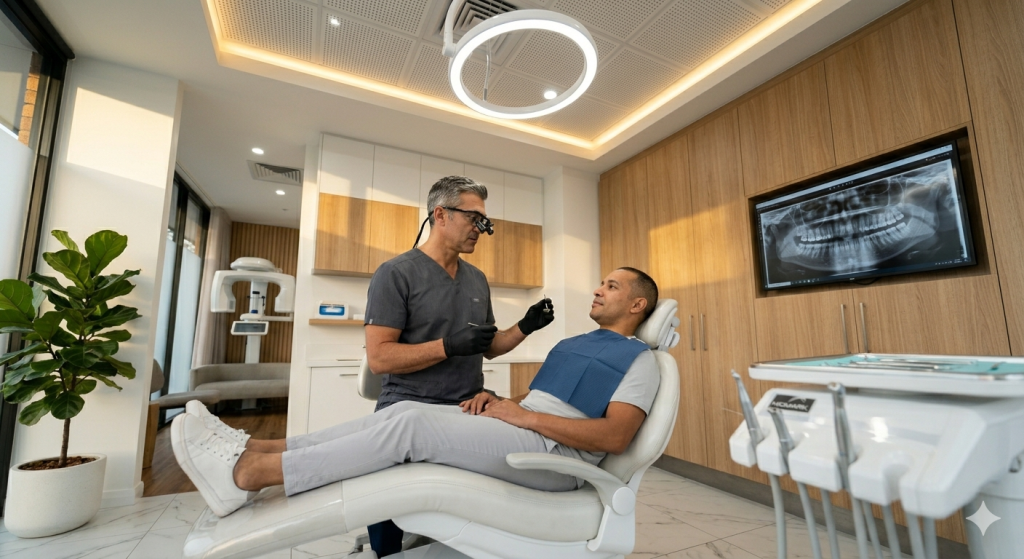
The team begins with a focused clinical exam and a cone-beam CT (CBCT) scan to measure bone volume and quality at the graft site. They review medical history, current medications (especially blood thinners), and any periodontal issues that could affect healing.
A personalized treatment plan lists graft material (autograft, allograft, xenograft, or synthetic), fixation method, and timing for implant placement if applicable. Cost estimates, insurance coverage, and preoperative instructions—such as antibiotics or mouth rinses—are provided in writing.
Patients receive clear post-op expectations: typical healing timeline, signs of complications, and follow-up schedule. The practice confirms consent and answers questions about alternatives, risks, and success rates specific to the chosen graft material.
Step-By-Step Procedure Overview
On the day of surgery, the clinician marks the surgical field and prepares sterile instruments and graft material. After local anesthesia (or sedation if chosen), an incision exposes the deficient ridge and any compromised tissue is gently debrided.
The graft material is trimmed and placed to restore the intended bone contour; membranes or membranes plus fixation screws may secure it. Sutures close the site, and a packing or protective dressing may be applied depending on the location and graft type.
Typical intraoperative time runs from 30 minutes for small grafts to 90 minutes for larger block grafts. The patient receives a written aftercare sheet, prescriptions for pain control and possibly antibiotics, and a scheduled follow-up for suture removal and progress checks.
Patient Comfort and Anesthesia Options
Clinics in Thousand Oaks offer several anesthesia levels to match patient anxiety and procedure complexity. Local anesthesia is standard for minor grafts; oral or intravenous sedation can be arranged for moderate anxiety or longer procedures. General anesthesia is less common and reserved for extensive reconstructions or patients with special needs.
Comfort measures include topical numbing before injections, heated blankets, noise-cancelling headphones, and short breaks during longer cases. Post-op pain is usually controlled with acetaminophen or NSAIDs; stronger opioids are prescribed rarely and for short durations only.
The team reviews signs of infection, prolonged numbness, or excessive swelling and provides a direct contact number for concerns after hours. They schedule a follow-up within 1–2 weeks and imaging at 3–6 months to verify graft integration and plan next steps, such as implant placement.
Healing and Aftercare
Healing after bone grafting in Thousand Oaks requires careful home care, timely follow-up, and realistic expectations about recovery time and comfort. Proper oral hygiene, medication adherence, and activity modification all directly affect graft success and readiness for next steps like implants.
Recovery Timeline
Patients typically experience initial bleeding and swelling for 24–72 hours after grafting. Pain peaks within the first 48 hours and then subsides with prescribed or over-the-counter analgesics; most people return to normal activities within 3–7 days depending on the graft size and whether sedation was used.
Soft-tissue healing usually completes in 2–3 weeks, while bone integration takes longer. Radiographic evidence of graft consolidation appears between 3 and 6 months; some grafts need up to 9 months before implant placement. Smoking, uncontrolled diabetes, and poor oral hygiene can extend these timelines and increase failure risk.
Follow-up visits at 1 week, 4–6 weeks, and at 3–6 months let the clinician monitor soft-tissue closure, remove sutures if present, and obtain imaging to assess bone fill. Adhering to the scheduled visits speeds identification of complications and timing for the next restorative step.
Tips for a Smooth Healing Process
Follow medication instructions exactly: take antibiotics for the full course and use pain meds as directed to control discomfort without overuse. Apply cold packs for the first 24 hours to reduce swelling, then switch to warm compresses after 48 hours if swelling persists.
Eat soft, high-protein foods like yogurt, smoothies, mashed potatoes, and scrambled eggs for the first week. Avoid hard, crunchy, spicy, or hot foods that can disturb the graft site. Gently rinse with a prescribed antimicrobial mouthwash or warm salt water after 24 hours; avoid vigorous swishing for the first week.
Avoid smoking and alcohol for at least 2–4 weeks; nicotine impairs blood flow and delays bone healing. Sleep with the head elevated for 48–72 hours to limit swelling. Use a soft toothbrush and brush nearby teeth gently, keeping sutured areas undisturbed until the clinician advises otherwise.
Signs of Healthy Recovery
Normal signs include decreasing pain, gradual reduction in swelling, and minimal bleeding or oozing after the first 48–72 hours. The graft site should show closed or healing gum tissue without persistent drainage or exposed bone.
On follow-up, healthy recovery looks like stable sutures (or healed sites if dissolvable sutures were used), absence of fever, and no worsening redness. Radiographs should show progressive bone fill and no radiolucent gaps at 3–6 months.
Warning signs that require prompt contact include increasing pain after initial improvement, purulent discharge, a fever over 100.4°F (38°C), or visible graft exposure. If any of these occur, the clinic should be contacted immediately to evaluate and treat potential infection or graft failure.
Benefits for Dental Implant Success
Bone grafting restores lost jawbone volume and creates a stable foundation for implants. It improves the fit of implant fixtures and reduces the risk of implant failure by increasing bone-to-implant contact.
Improving Implant Stability
Bone grafting increases the amount and quality of bone where an implant will be placed. When the jaw has sufficient cortical and cancellous bone, implants achieve higher primary stability at placement, which lowers micro-movement during healing. Dentists often measure insertion torque and implant stability quotient (ISQ); grafted sites commonly show improved values on these metrics compared with severely resorbed ridges.
Grafts also promote predictable osseointegration by providing graft material that remodels into native bone. Autografts, allografts, and synthetic substitutes each offer specific remodeling timelines and strengths, allowing the clinician to match the graft choice to the implant timing. This tailored approach helps reduce early loosening and improves the long-term integration of the implant.
Long-Term Oral Health Advantages
A restored ridge preserves neighboring teeth and soft tissue contours, preventing the drift and tipping that can occur after tooth loss. Maintaining proper bone volume supports the gum architecture, which helps keep prosthetic crowns and bridges fitting accurately over the years.
Bone grafting can reduce the need for future corrective procedures by stabilizing the jaw and improving load distribution across implants. Patients with adequate bone are less likely to experience peri-implant bone loss from overloading. For many, this means fewer repairs, more predictable maintenance, and a better chance of implants lasting decades when combined with good oral hygiene and routine dental care.
Addressing Common Concerns
Patients often worry about pain, healing time, and possible complications after a bone graft. Clear expectations about discomfort, infection prevention, and follow-up care help them feel prepared and supported.
Managing Discomfort After Surgery
Pain after a bone graft in Thousand Oaks typically peaks the first 48–72 hours and then subsides. Dentists usually prescribe or recommend NSAIDs like ibuprofen; stronger prescription analgesics are reserved for more extensive grafts.
Cold packs applied in 20-minute intervals during the first 24 hours reduce swelling and numb the area. Patients should avoid heat, heavy exercise, and bending over for the first few days to limit bleeding and inflammation.
Oral hygiene matters: gentle rinsing with a saltwater solution beginning 24 hours after surgery helps keep the site clean without disturbing the graft. Soft foods (yogurt, mashed potatoes, smoothies) are advised for 1–2 weeks, progressing as comfort allows.
If pain worsens after a week or is accompanied by fever or unusual drainage, patients should call their Thousand Oaks provider immediately.
Potential Risks and How They Are Minimized
Common risks include infection, graft failure, numbness, and sinus complications for upper-jaw grafts. Surgeons minimize these by using sterile technique, preoperative imaging (CBCT), and selecting graft material suited to the patient’s bone quality and medical history.
Antibiotics may be prescribed when indicated; smoking cessation is strongly recommended because tobacco use significantly raises graft failure rates. Medical conditions such as uncontrolled diabetes are managed before surgery to improve outcomes.
Surgeons monitor healing with scheduled post-op visits and radiographs to confirm graft integration. If partial graft loss occurs, options include socket preservation, repeat grafting, or modifying implant timing. Patients receive clear instructions on signs of complications and emergency contact information.
Choosing a Specialist in Thousand Oaks
Patients should focus on a provider’s specific bone graft experience, formal training, and clear communication about risks, materials, and recovery. Practical details—office technology, before-and-after cases, and insurance or financing—also affect outcomes and peace of mind.
Experience and Training to Look For
Look for a specialist who is a board-certified oral and maxillofacial surgeon or a periodontist with documented bone grafting experience. Prefer clinicians who list fellowship training, implantology certifications, or advanced residencies on their profiles.
Check how many grafts of the same type you need they perform each year—socket preservation, lateral ridge augmentation, sinus lifts—and whether they use autografts, allografts, xenografts, or synthetic substitutes. Request examples of recent cases with similar complexity and ask about complication rates and how they manage graft failure or infection.
Confirm the office uses current imaging like CBCT scans for 3‑D planning and sterile, modern graft handling protocols. Staff training in sedation, post-op care, and wound management matters for comfort and faster recovery.
Questions to Ask Your Provider
Ask: “How many procedures like mine have you performed in the last 12 months?” and “What is your success rate for this specific graft type?” These yield concrete experience data rather than vague reassurances.
Request details on materials: “Which graft material do you recommend and why?” and “Will I need donor-site surgery?” Also ask about timeline: “When can I expect to proceed with implants or prosthetics?” and “What is the typical healing schedule and follow-up plan?”
Clarify logistics and costs: “What are total fees, what does insurance cover, and do you offer payment plans?” Finally, ask about pain control and complications: “What anesthesia options are available?” and “How do you manage infection, graft exposure, or insufficient bone?”
Taking the Next Step
Patients who consider bone grafting in Thousand Oaks should start by scheduling a consultation with a trusted dental specialist. The specialist reviews medical history, takes imaging (X-rays or CBCT), and explains whether a graft is necessary for implants or to restore bone after tooth loss.
They will discuss graft types—autograft, allograft, xenograft, or synthetic—and recommend the option that fits the patient’s needs. Costs, expected healing time, and any preparatory treatments (like extractions or infection control) are covered in plain language so patients can make informed choices.
Recovery plans focus on comfort and predictable results. Providers outline pain control, dietary adjustments, and follow-up visits to monitor bone integration and progress.
Use this checklist to prepare for the first visit:
- Bring a list of medications and medical conditions.
- Note dental goals and any concerns about surgery.
- Ask about sedation choices and what to expect on surgery day.
They encourage questions and welcome a partner or family member at appointments to help with decisions. Call the Thousand Oaks office or visit the practice website to request an appointment or to learn more about financing and insurance options.
Frequently Asked Questions
These answers focus on cost ranges, risks and comfort measures, indicators for grafting before implants, candidacy factors, recovery timelines, and graft material choices. Each question provides clear steps patients can expect when considering bone grafting in Thousand Oaks, CA.
How much does a bone graft typically cost, and what factors can change the price?
A simple socket preservation graft often ranges from $300 to $1,200. Advanced grafts for larger defects or block grafts can run $1,500 to $5,000 or more.
Location, graft type (autograft, allograft, xenograft, or synthetic), surgeon experience, and whether it’s done with a simultaneous implant all affect price. Additional costs include CBCT scans, sedation, membrane materials, and follow-up visits.
Insurance may cover part of the cost if the graft is medically necessary; cosmetic-only cases are less likely to be covered. Many practices offer financing or payment plans to spread out expenses.
What are the possible downsides or risks, and how do you keep the procedure comfortable?
Common risks include swelling, bruising, minor bleeding, infection, or temporary numbness near the graft site. Graft failure or insufficient bone growth is uncommon but possible, especially with smoking or uncontrolled diabetes.
Dentists use local anesthesia and offer oral or IV sedation to keep patients comfortable during the procedure. Post-op pain is typically managed with short courses of NSAIDs or prescribed medications and cold compresses.
Following post-op instructions—avoiding smoking, keeping the area clean, and attending follow-ups—reduces complications. Regular communication with the dental team about pain or unusual symptoms helps catch issues early.
How do I know if I need a bone graft before getting a dental implant?
A CBCT (3D) scan and clinical exam determine bone quantity and quality for implant placement. If there’s less than about 6 mm of ridge width or insufficient height near sinus or nerve structures, a graft is often recommended.
Missing teeth long-term, periodontal disease, or previous extractions that left a collapsed ridge are common reasons for grafting. The dentist will explain whether a simultaneous graft-and-implant approach or a staged graft first is best.
Is it ever too late to get a bone graft, and what affects whether I’m a good candidate?
It is rarely too late; grafts can rebuild bone even years after tooth loss. However, longer toothlessness may require larger grafts or more complex procedures.
Good candidates generally have controlled medical conditions, adequate oral hygiene, and realistic expectations. Heavy smoking, uncontrolled diabetes, certain radiation histories, or active oral infection may require medical clearance or risk-reduction steps first.
What is recovery like—how long does it take to heal and when can I get back to normal activities?
Initial soft-tissue healing typically takes 1–2 weeks; bone integration can take 3–6 months depending on graft size and type. Small grafts used with implants may allow implant placement the same day in some cases.
Patients can usually return to light daily activities the next day but should avoid intense exercise for 1–2 weeks. Diet modifications—soft foods for several days—and careful oral hygiene support healing.
What types of bone graft materials are available, and which option is usually best for my situation?
Autografts use the patient’s own bone (usually from the jaw or hip) and offer the best potential for integration but require a donor site. Allografts come from human donors and are common; they avoid a second surgical site.
Xenografts (usually bovine) and synthetic materials (e.g., calcium phosphate) provide scaffolding and are useful for many ridge augmentations. The dentist chooses based on defect size, healing needs, infection risk, and patient preference.
For many routine socket preservations and ridge augmentations, allograft or synthetic materials balance effectiveness and lower surgical morbidity. Complex or large-volume reconstructions may favor autograft or a combination approach.
If they want a personalized estimate or evaluation, the practice encourages scheduling a consultation to review scans, treatment options, and comfort measures.


